In the railway sector, welding is not a process like any other. The EN 15085 series of standards governs the welding of railway vehicles and their components, and without that certification a supplier simply does not enter the supply chain. It is worth understanding what it requires, because it also explains why some quotes cost more than others.
It does not certify the part, it certifies the organisation
This is the point that surprises most people meeting it for the first time. The standard does not say “this weld seam is good”: it establishes that the company has a system capable of producing good seams repeatably, and of proving it years later.
This translates into four pillars.
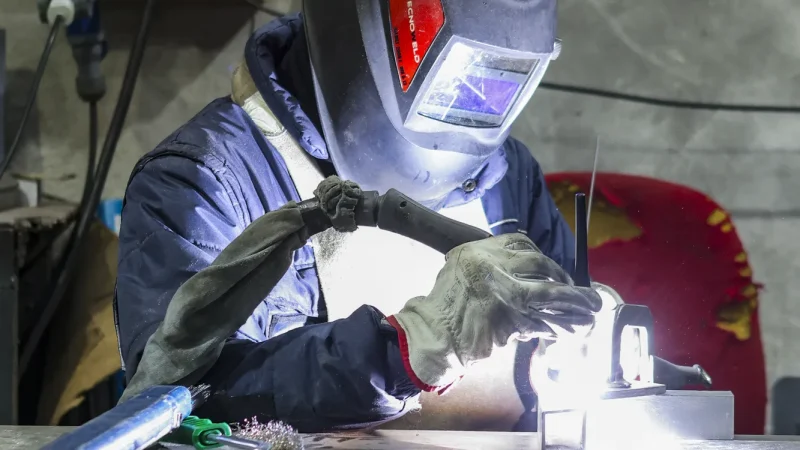
- Qualified personnel. Welders hold qualifications for the processes and positions they perform, with expiry dates to keep valid.
- A welding coordinator. A person with defined responsibilities and competences, who answers for the technical choices.
- Written, qualified procedures. Every joint has a procedure specification: filler material, gas, currents, sequence.
- Inspections and records. Who welded what, when, with which procedure: it stays on record.
The certification classes
The standard distinguishes different levels according to how critical the joint is for the safety of the vehicle. The higher the class, the stricter the requirements on personnel, non-destructive testing and documentation. It is a precise technical distinction: when a supplier states it is EN 15085 certified, it makes sense to ask for which class, because they are not interchangeable.
What changes on the shop floor
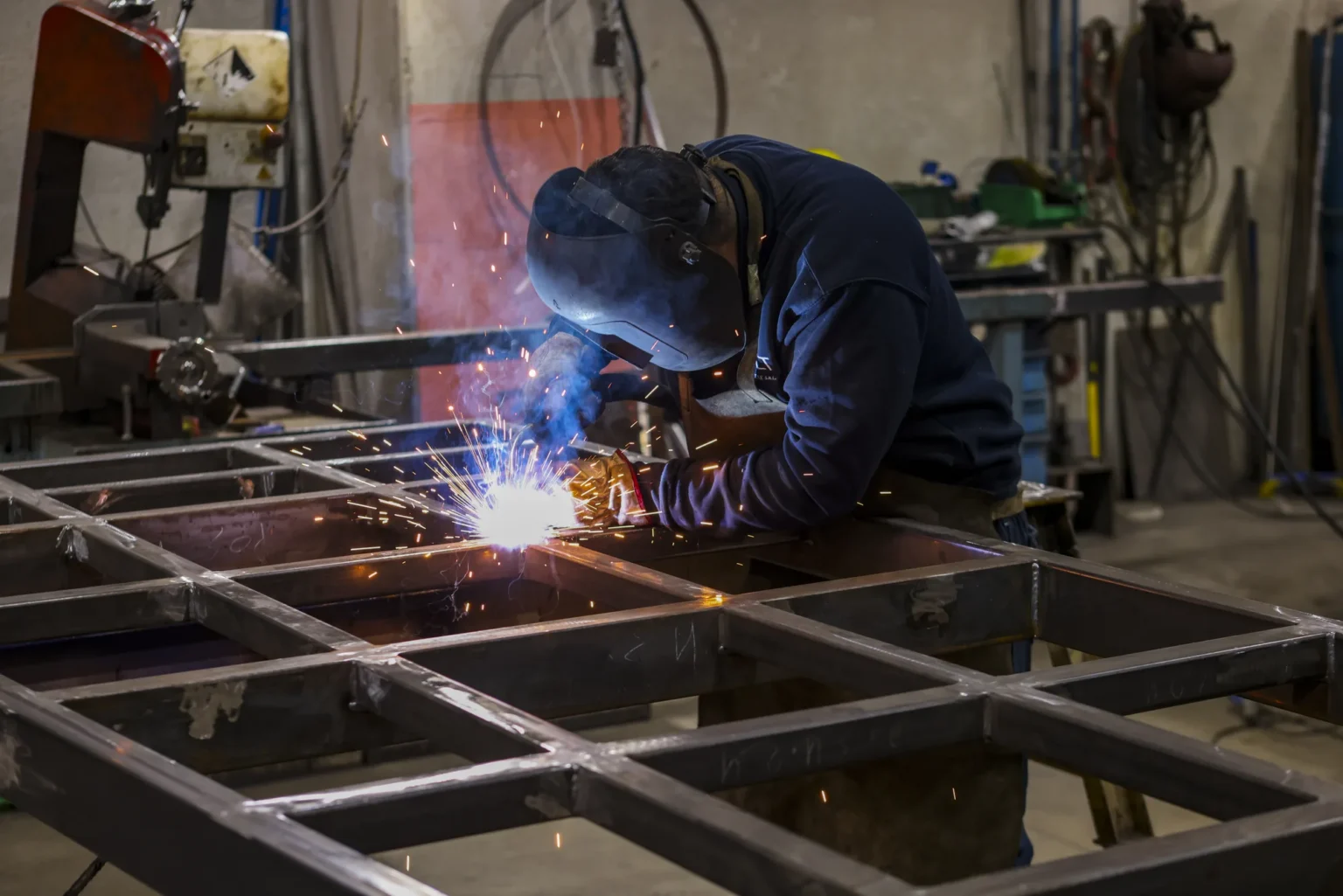
In daily practice it means that a change is not improvised. Changing filler material or welding position is not a decision for the individual operator: it goes through the coordinator and, if needed, through a new procedure qualification. It is slower, and that is exactly the point.
Why it matters even outside the sector
A company that withstands railway audits already has in-house the habits needed elsewhere: batch traceability, written procedures, qualified personnel with monitored expiry dates. Buyers for the marine or heavy industrial sectors find the same system of controls even without asking for it.
The right questions to ask a supplier
- For which class are you certified, and by which body?
- Is the certificate currently valid? When does it expire?
- Who is the welding coordinator?
- Do I receive the welding log together with the delivery?
Four questions that take two minutes and say a great deal. Our certifications, with the bodies that issued them, are listed on the Certifications page.