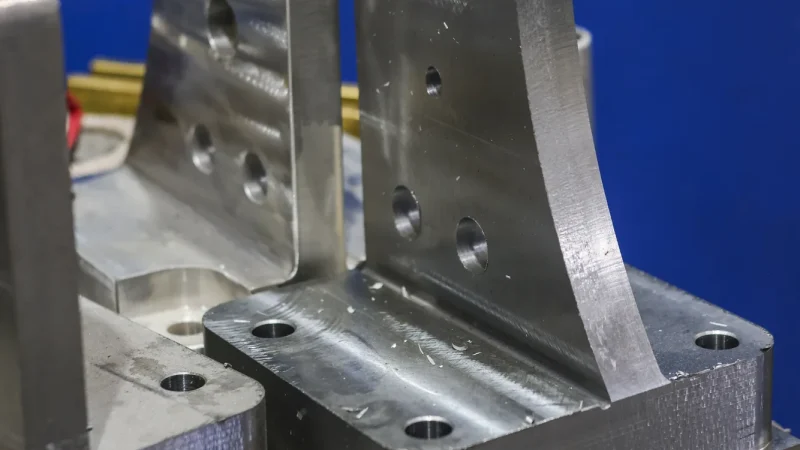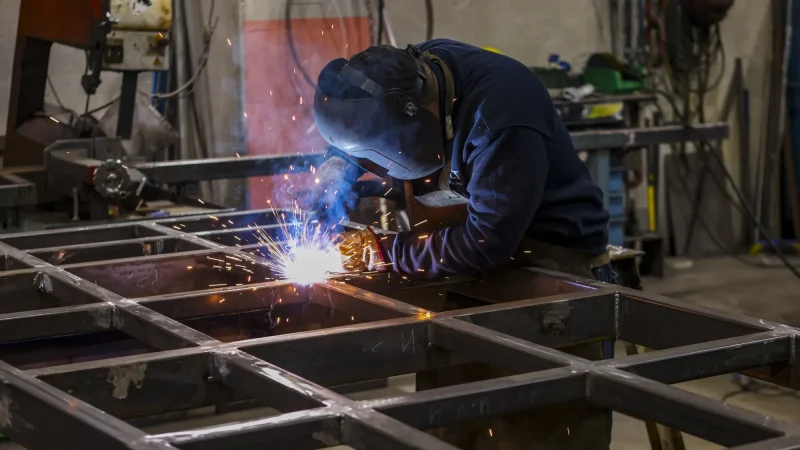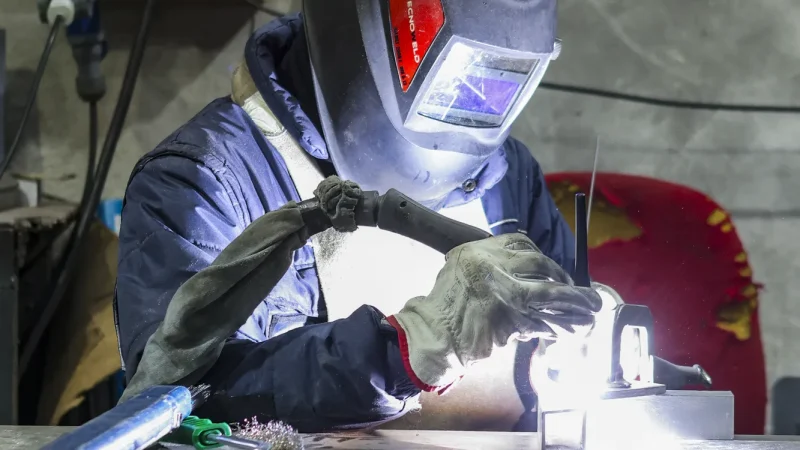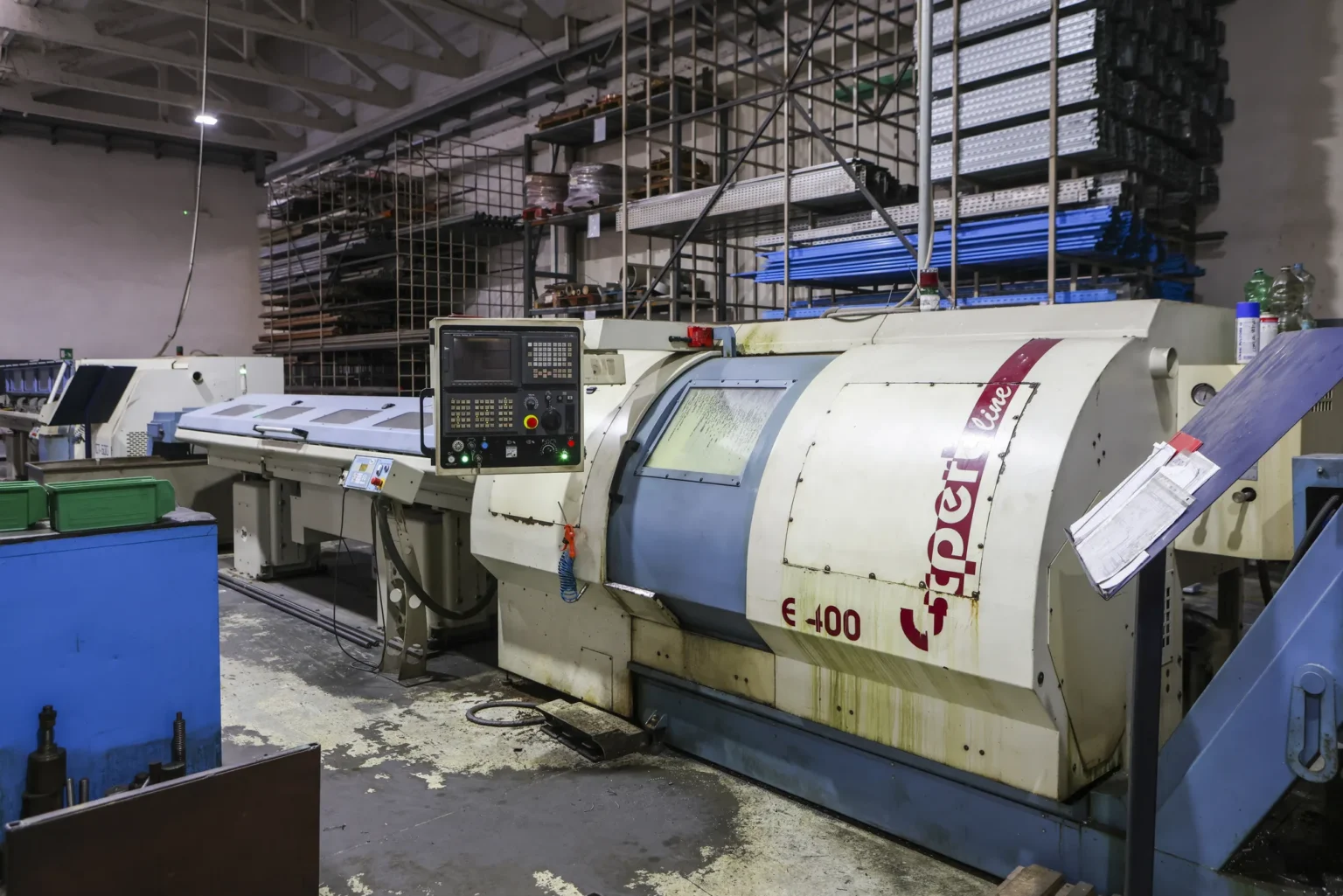
“Vertical integration” is one of those expressions that ends up in every brochure and that almost nobody explains. In our case it means something precise: from CAD design to final painting, every stage is managed in-house. It is worth seeing what changes for the people who order.
One contact, one responsibility
When a component passes through three different suppliers, one that machines, one that welds and one that paints, every hand-over is also a hand-over of responsibility. If the part arrives out of tolerance, the argument about who got it wrong costs more than the part.
With an in-house cycle that boundary does not exist: the one who answers for the result is the same one who made the first cut. For the customer it means a single technical contact from the initial analysis to delivery.
Lead times do not add up, they overlap
The most concrete difference is in days. In an external supply chain each stage starts when the previous one has finished and the material has arrived: transport between one supplier and the next weighs as much as the machining.
In-house, scheduling can overlap the stages: while the first part of a batch is being finished, welding is being set up, and the paint shop already knows what is coming. On a prototype this can be worth days; on a production run, weeks.
Where it shows most
- Prototypes and urgent jobs: a change on the fly does not require renegotiating with anyone.
- Complex assemblies: when an assembly brings together fabricated structures, turned components and special fasteners, keeping it in-house avoids passing mating dimensions back and forth.
- Repeat batches: the tooling stays where it is, it does not have to be rebuilt every time.
Traceability stays in one pair of hands
In regulated sectors a part is worth as much as the documents that accompany it. Material certificate, dimensional report, welding log: if the stages are spread across several companies, those documents have to be collected, aligned and sometimes chased.
With an in-house cycle the file is built while the part moves forward, not afterwards. That is why vertical integration is not just a matter of efficiency: it is what makes working for aerospace and railway sustainable.
When it is not an advantage
To be honest: it is not always one. On highly specialised and occasional processes, such as particular treatments or niche non-destructive testing, a specialised external partner does better and costs less. The difference is that the choice remains a technical decision, not an obligation due to the fact that the department does not exist.
If you want to see which stages we really cover, they are listed one by one on the Services page and in the Machinery page.